Long-Term Rental Investors
Rent qualifies the deal. Your income doesn’t.
What This Is
Long-term rental (LTR) investors are buy-and-hold operators who purchase single family or small multi-family properties and lease them on 12-month leases. The financing that fits: DSCR (Debt Service Coverage Ratio) loans. Instead of qualifying you on personal income, tax returns, or employment history, DSCR loans qualify the property itself.
If the rent covers the mortgage payment (plus taxes, insurance, HOA), it approves. Simple math, powerful structure.
How It Helps You
- No tax returns, no W-2s, no employment verification
- Qualify on the property’s rental income, not yours
- Close in an LLC to protect personal assets and separate the balance sheet
- No limit on the number of financed properties — banks cut you off at 4 or 10; DSCR doesn’t
- 30-year fixed available, so you lock in the payment for the life of the deal
- Interest-only options available for maximum cash flow
- Rate lock speed — most files close in 21–30 days
Long-term rental (LTR) investors are buy-and-hold operators who purchase single family or small multi-family properties and lease them on 12-month leases. The financing that fits: DSCR (Debt Service Coverage Ratio) loans. Instead of qualifying you on personal income, tax returns, or employment history, DSCR loans qualify the property itself.
If the rent covers the mortgage payment (plus taxes, insurance, HOA), it approves. Simple math, powerful structure.
- No tax returns, no W-2s, no employment verification
- Qualify on the property’s rental income, not yours
- Close in an LLC to protect personal assets and separate the balance sheet
- No limit on the number of financed properties — banks cut you off at 4 or 10; DSCR doesn’t
- 30-year fixed available, so you lock in the payment for the life of the deal
- Interest-only options available for maximum cash flow
- Rate lock speed — most files close in 21–30 days
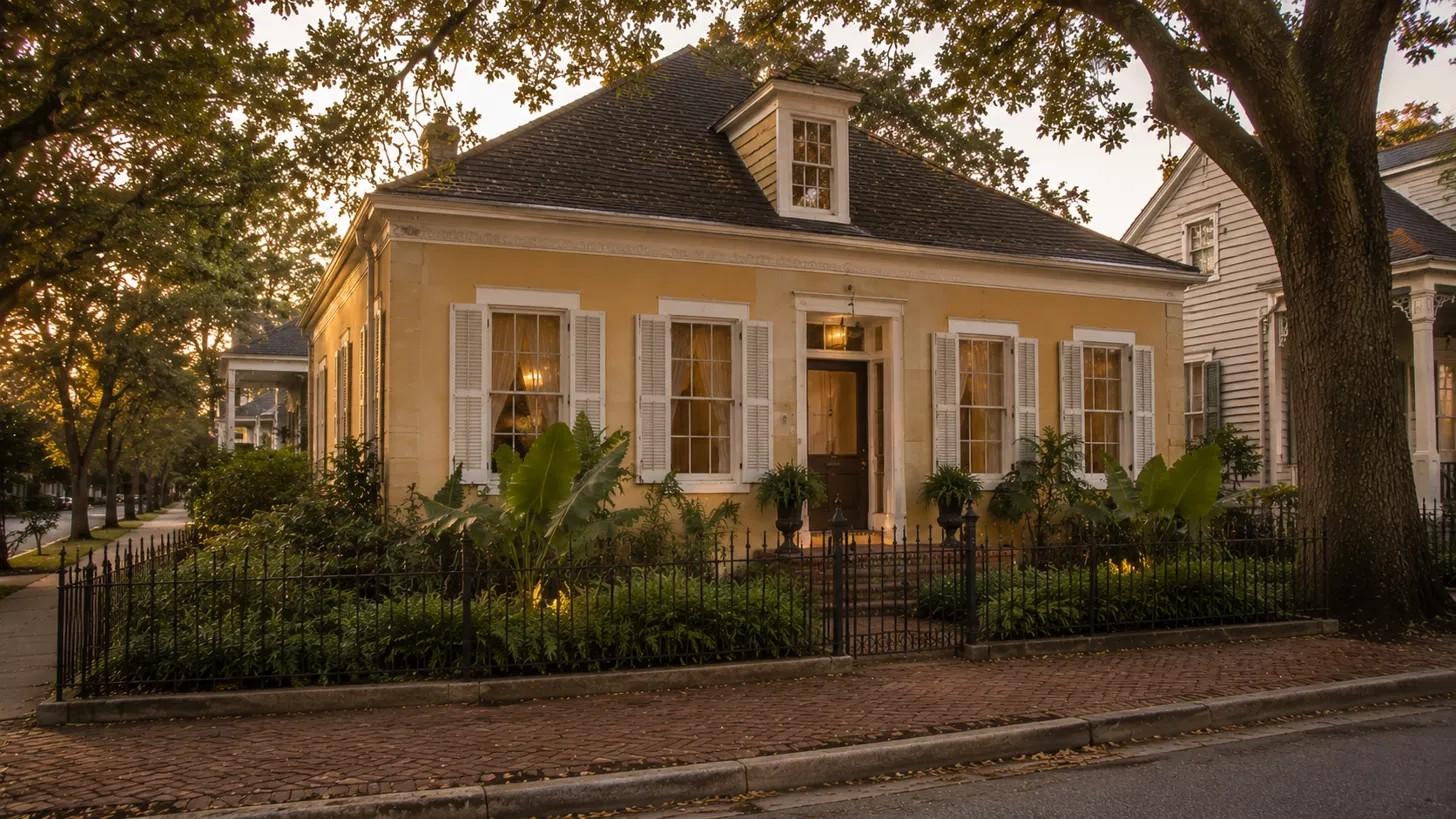
The Deal: Single family home in a Class B rental market. Purchase price $285,000. Market rent $2,400/month.
- Loan amount: $213,750 (75% LTV)
- Down payment: $71,250 (25%)
- 30-year fixed DSCR, illustrative rate 7.75%
- Principal + interest: $1,531/month
- Taxes/insurance/HOA estimate: $520/month
- Total PITI: $2,051/month
- DSCR ratio: 2,400 ÷ 2,051 = 1.17 (approved — most lenders want 1.0+ or 1.15+)
Monthly cash flow: $349 pre-vacancy, pre-maintenance. Annual gross yield: ~10.1%. Held in LLC. Closes in 25 days.
DSCR is why serious rental investors scale past 4 doors. Banks stop lending to you after a certain number of financed properties because their overlays flag “too much exposure.” DSCR lenders don’t count your personal DTI at all — they only care about whether the individual deal cash flows. That means you can own 4 doors, 40 doors, or 400 doors and still get financing on the next one, as long as each deal stands on its own numbers.
The other reason: LLC closing. Personal mortgages usually require you to close in your name. DSCR loans typically close in the LLC (single-member or multi-member). Cleaner asset protection, cleaner tax structure, cleaner exit if you ever sell the portfolio.
General cost framework (illustrative — subject to program, credit, and market):
- Rates: typically 1–2% above owner-occupied conventional rates
- LTV: up to 80% purchase, 75% cash-out refi (varies by lender)
- Origination: 1–2 points typical
- Reserves: 3–6 months PITI required
- Credit minimum: 660–680 most programs
- Appraisal: standard 1004 + 1007 rent schedule (appraiser gives market rent opinion)
- Prepayment penalty: usually 3–5 years step-down (waivable for higher rate)
- Timeline: 21–30 days close typical
The rate is a function of LTV, credit score, DSCR ratio, and prepay structure. Lower LTV + higher credit + higher DSCR = better rate.
Different situations call for different lender strengths. Through my network, I can access programs that specialize in:
- 20% down DSCR for experienced investors (below the standard 25%)
- 3-month seasoning cash-out refi (faster capital recycle than most lenders)
- No prepay penalty options (higher rate, but full flexibility)
- Interest-only DSCR for maximum cash flow through ramp
- Non-warrantable condo DSCR
- Rural property DSCR (many lenders won’t touch these)
- Best pricing DSCR on loans over $200K (specific lender specialty)
Documents I’ll need to structure your file:
- Property address + purchase price (or estimated value for refi)
- Estimated market rent (or current lease if refi)
- Estimated taxes, insurance, HOA
- Photo ID
- Two months bank statements (asset verification)
- LLC docs if closing in entity
- Credit authorization
That’s it. No W-2s, no tax returns, no pay stubs, no employer letter. I’ll structure the deal, quote it across the network, and come back with real term sheets in 48–72 hours.
Ready to Structure Your Deal?
Tell me the deal. I’ll route it to the right program.